Vegan, Vegetarian, & Flexitarian - The Apeiron Life Perspective
Updated: Jul 21, 2022
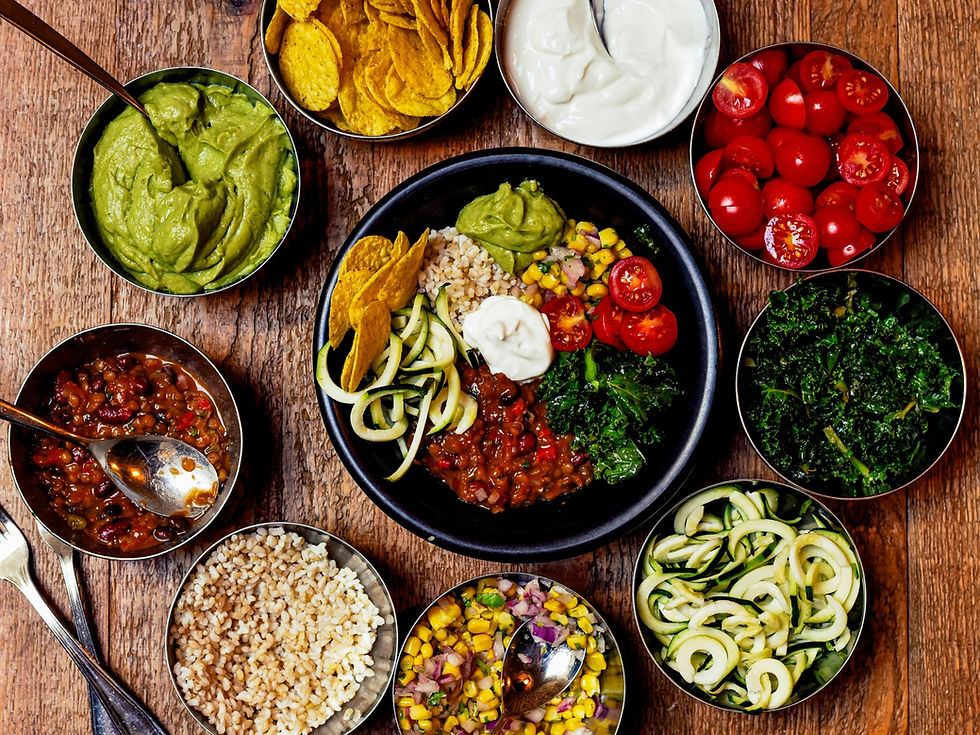
What it is:
Both vegan and vegetarian are plant-based. But what exactly does plant-based mean? There are various definitions, but the idea is that the majority of your diet is made up of plant foods. There are multiple reasons to follow a plant-based diet, including; environmental, social, and health.
Here are some typical plant-based diets:
Vegetarian: those who follow a vegetarian diet do not consume meat. However, there are a few varieties that may consume dairy products (Lacto), eggs (Ovo), or both (known as a Lacto-ovo vegetarian)
Pescatarian: those following a pescatarian diet consume fish, seafood, and plant products. Some might also consume dairy and eggs, but they do not consume red meat or poultry.
Vegan: those who follow a vegan lifestyle consume no animal products or byproducts such as meat, dairy, eggs, and honey. Many will also avoid using other animal byproducts such as silk and leather.
Flexitarian: this is a newer term that encompasses a flexible lifestyle, those who mostly eat plants but still include some meat and animal byproducts in their regular diet.
The Purported claims:
Improved performance
Prevention of disease
Better for weight loss
Reduced inflammation
Longevity
Boosts immunity
What the science says:
For exercise and performance: Both a plant-based and a more standard omnivore diet can be beneficial for exercise and performance. A plant-based approach naturally contains higher volumes of carbohydrates, which lead to increased glycogen stores. Glycogen can be converted to glucose, which is the preferred form of energy to fuel a workout.
Protein Intake: Animal products are a complete source of protein and tend to have a higher protein concentration. Most plants are incomplete proteins that need to be paired together to form a complete protein. As long as you're consuming a wide variety of legumes, whole grains, nuts, and seeds, this should be no issue to accomplish.
As we get older, our bodies find it more difficult to break down foods leading to a need for supplementation and more easily accessible proteins.
Some studies have shown that older active adults who are vegan and vegetarian have an increased risk for injury and fractures.
Iron/B12: Iron and B12 are essential for your body to perform optimally, especially for healthy, functioning blood cells and nervous systems. The blood circulatory and nervous systems are essential for both performance and recovery. Iron and Vitamin B12 are found more abundantly in animal products but are still available in plant-based foods.
When eating iron-rich plant foods like beans, tofu, or dark leafy greens, try to pair them with vitamin C for better absorption, such as tomatoes or citrus.
B12 is often fortified in plant products like nutritional yeast or certain cereals but can also be taken as a supplement.
Vitamin D: is essential for calcium absorption, playing a significant role in bone health and anti-inflammatory effects -- both optimal bone health and anti-inflammation are necessary for optimal performance.
There is limited availability of vitamin D in food, with many of the major sources coming from animal products like salmon, sardines, egg yolk, and dairy.
Vitamin D can also be achieved through sun exposure. It is recommended to spend about 5-30 minutes outside without sunblock. It is also available in some plant foods such as tofu, mushrooms, and fortified non-dairy milk alternatives, juices, and cereal.
For inflammation and immune support:
Omega-3: a key for brain health and anti-inflammation. There are high amounts of omega-3 in animal products like eggs and fish, but they are also abundant in plant foods like grapeseed oil, walnuts, chia seeds, fish oil, or algae-based supplements.
Inflammation is associated with many conditions, including cardiovascular disease, cancer, and injury. The intake of plant foods, specifically fruits, vegetables, and whole grains, has been inversely related to inflammation in observational studies.
For weight-loss:
A plant-based diet might not be a quick fix to weight loss. However, many studies have shown that those who consume more vegetables and plant products are more likely to eat fewer calories and remain satiated for longer. In addition, those with higher BMIs who consume a majority plant-based diet might have increased improvement of BMI than their counterparts who consume a standard diet.
One study showed that those who ate the fewest animal products had the lowest weight gain after five years.
For long-term health and prevention of disease:
A diet abundant in a variety of plants has been associated with lower inflammation levels and longevity due to many plants' high fiber, micronutrient, and phytonutrient contents.
One study showed that women who ate a diet high in fruits, vegetables, whole grains, and plant-based proteins had more healthful cellular aging. They did not find the same effect in men.
Our take:
It’s important to ask yourself, why are you going plant-based, vegan, or vegetarian?
There are many benefits to adding more plants to your diet. However, animal products may also offer healthful, easily accessible components, so consult with your healthcare team to determine the best strategy for YOU!
If you are curious about a plant-based diet, try incorporating more plant products slowly to be more sustainable over time. For example, try opting for a meatless Monday or swapping out one meal per day with a plant-based option.
Will this benefit you?
Consuming a wide range of fruits, vegetables, nuts, seeds, and whole grains is nutritious and healthful - no matter your eating pattern. Every individual has different dietary needs, so make sure to find an eating plan that works for your body, whether it is plant-exclusive or not.
Still curious to try it? If you do, here’s what to keep an eye on:
Protein + Macronutrient Balance
What to be mindful of: Protein is an essential nutrient found abundantly in animal products. It is available in a wide array of plant foods but often does not consist of all nine essential amino acids and requires more food in volume to achieve similar amounts. When protein intake is low, loss of muscle mass might occur, as well as an increased risk for injury.
Macronutrient balance: 45-65% Carbs, 25-30% Fat, 20-35% Protein
Tips: Try to incorporate complete protein sources every day; examples include quinoa, soy products (tofu, tempeh), hemp seeds, chia seeds, and rice + beans. Other sources of protein that should be paired with other foods include legumes, nut butter, oatmeal, and whole grains. Examine your weekly protein intake and, if necessary, add in plant-based protein powders. Your pattern of protein intake over time is critical to your overall health.
Weight + Body Composition
What to be mindful of: When going plant-based, be careful not to rely on highly processed foods such as cheese, white bread, crackers, or chips. It's easy to fall into the highly palatable realm of being a "fast-food vegan," as planning your meals can be slightly more complex. However, these highly processed foods are more detrimental to your health than a grass-fed, organic meat option could be. The nutritional value of correctly sourced, whole foods, whether plant or animal-based, will be more beneficial to your health.
Tips: Keep an eye on processed plant foods; just because it is vegetarian or vegan -- does not mean it is nutritious or nutrient-dense! Eat a wide variety of plant foods to ensure proper nutrition.
Hunger + Cravings
What to be mindful of: Unintentional weight loss, fatigue, brain fog, brittle hair/nails, and constant hunger can be potential warning signs of an unbalanced diet. Consult with your dietitian to take a closer look at your diet.
Tips: Incorporate a form of high-quality protein and fat in each of your meals and snacks to keep hunger at bay. Examples of balanced snacks are hummus with whole-grain pita and veggies, peanut-butter toast with banana, or granola with dairy-free yogurt.
References and additional reading:


Comments